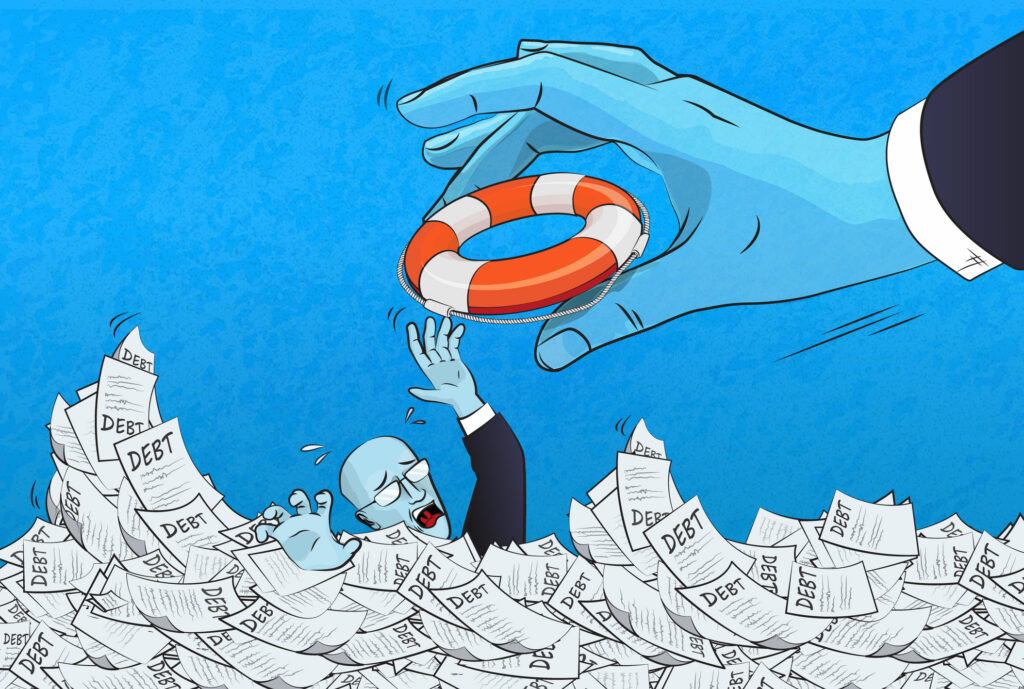
If you’ve ever felt like you’re drowning in debt, you’re not alone. Relief is possible! Being overwhelmed by bills and calls from creditors isn’t just a financial issue. It’s an emotional issue. You may be lying awake at night, wondering how you’ll pay rent, keep the lights on, or stop the harassment from collection calls. That feeling of being underwater, as if every breath is a struggle, is exactly how many people in financial distress describe their situation.
You don’t have to keep feeling this way. Chapter 7 and Chapter 13 bankruptcy can offer real relief and a path toward stability.
What It Really Feels Like When You’re Drowning in Debt When we talk to people who are struggling financially, the phrase “drowning in debt” comes up again and again. It’s not just about numbers. It’s about pressure, fear, and isolation:
- You can’t sleep because you’re worried about money.
- You avoid opening mail because you’re afraid of what’s inside.
- Every car repair, medical bill, or unexpected expense feels catastrophic.
- You wonder if things will ever get better.
This isn’t just stress. It’s a lived experience of anxiety, uncertainty, and exhaustion. And while financial hardship is common, feeling alone in this struggle makes everything harder. That’s why we want you to know: there are options, and you don’t have to navigate them by yourself.
Bankruptcy Isn’t a “Failure”. It’s a Solution.
Many people hesitate to consider bankruptcy because they worry it means they’ve failed somehow. But the truth is: Bankruptcy is a tool, just like insurance, budgeting, or legal contracts.
People file for bankruptcy for all kinds of reasons: job loss, medical emergencies, divorce, business setbacks, or simply an unexpected financial storm. Life happens. And when it does, bankruptcy can be the safety valve that protects you and gives you a fresh start. Think of bankruptcy like hitting the reset button on financial chaos. It’s not a moral judgment, it’s a legal option designed to help people regain control.
Chapter 7 Bankruptcy: A Fresh Start
If you’re feeling like you’re drowning in debt with little hope of repayment, Chapter 7 bankruptcy might be the right fit.
What is Chapter 7? Chapter 7 is often called “liquidation bankruptcy”, but that term can be misleading. Here’s what it really means:
- You list your debts and assets.
- Non-exempt assets (if any) are sold to pay creditors.
- Most unsecured debts, like credit cards and medical bills, are discharged (eliminated).
- After the process is complete, you walk away with a clean slate.
Who Qualifies for Chapter 7?
Not everyone qualifies for Chapter 7. The key test is the means test, which looks at your income, expenses, and household size. If your income is below Colorado’s median for a similar household, you likely qualify. If it’s above, you might still qualify after deductions. However, even if your income qualifies for Chapter 7, there may be other reasons why Chapter 7 isn’t your best option. We always evaluate your unique situation before advising the best approach.
Benefits of Chapter 7
- Fast process: Most cases finish in 4–6 months.
- Most unsecured debt is wiped out.
- Automatic stay: Creditors must stop collection actions immediately. No phone calls. No texts. No lawsuits. No garnishments. No stress.
- Relief is real and lasting.
What’s Not Included? Chapter 7 won’t eliminate:
- Certain taxes
- Student loans (except in rare hardship cases)
- Child support or alimony
- Criminal fines
- Debts incurred by fraud or intentional harm to another
For many people feeling like they’re drowning in debt, Chapter 7 offers dramatic relief.
Chapter 13 Bankruptcy: Rebuilding Without Losing Everything Sometimes, you do have steady income but your debts are still overwhelming. That’s where Chapter 13 bankruptcy comes in.
What is Chapter 13?
Chapter 13 isn’t about eliminating all debt. It’s about making it manageable. Under Chapter 13, you:
- Propose a 3- to 5-year repayment plan.
- Pay what you can afford toward debts.
- Often reduce the amount you owe in interest or principal.
- Keep your assets (like your home or car) if you stay current with the plan and payments to those creditors.
Why Choose Chapter 13? People often choose Chapter 13 when:
- Their income is too high for Chapter 7
- They have non-dischargeable debts they want to pay over time
- They want to catch up on missed mortgage or car payments
- They want structured financial breathing room
When you feel like you’re drowning in debt, Chapter 13 can feel like a life raft. It doesn’t necessarily wipe everything out, but gives you a structured, legal way to climb out step by step. Automatic Stay: Immediate Relief from Harassment and Stress One of the most powerful protections bankruptcy offers (regardless of chapter) is the automatic stay.
The moment your bankruptcy petition is filed: Creditors must stop:
- Harassing phone calls
- Threatening letters
- Wage garnishment
- Lawsuits and collection actions
- Bank levies
This means that even before your case is resolved, you usually get a period of peace where debt collectors can’t hound you. For people who feel like they’re drowning in debt, this break is often described as: “The first time I could breathe in months.” That’s not an exaggeration.
Common Questions About Bankruptcy Will I lose everything?
Filers rarely lose anything to the bankruptcy court, especially if they hire an experienced lawyer. Colorado has generous exemptions that protect essential property, like your home (up to certain amount of equity), cars, retirement accounts, clothing, and tools of your trade. Every situation is different, but most people keep most of what they care about.
Will bankruptcy hurt my credit forever?
Bankruptcy will affect your credit score, but consider this: Many people’s credit is already damaged by collections, late payments, and high balances before filing. After bankruptcy, people often rebuild credit faster, because they’re no longer overwhelmed by debt and can make consistent payments on a fresh start.
Can I file on my own?
Technically, yes. But bankruptcy has strict requirements. One small mistake can lead to delays, missed discharges, or even case dismissal. Working with an experienced bankruptcy attorney dramatically increases your chances of success and relieves the stress of complex paperwork and court appearances.
Chapter 7 vs. Chapter 13: Which Is Right for You?
Here’s a simple breakdown:
| Feature | Chapter 7 | Chapter 13 |
| Fresh start on unsecured debts | Yes | Sometimes, but repayment plan required |
| Time in bankruptcy | ~4–6 months | 3–5 years |
| Keep property | Usually | Yes (with payment plan) |
| Income requirement | Means test | Must have regular income |
| Stop foreclosures & repossessions | Yes (temporarily) | Yes (with a plan) |
The right choice depends on your income, assets, and long-term goals, and that’s something an experienced attorney helps you evaluate carefully.
A Realistic Path Forward When You’re Drowning in Debt
If you’ve ever thought: “I don’t know how I’ll ever get out of this.” You’re not alone. You can find a way forward. Here’s a common experience from people who choose bankruptcy:
- They feel immediate emotional relief once the automatic stay stops the pressure.
- They start making a plan instead of reacting to bills.
- They see progress: either elimination of debts (Chapter 7) or structured repayment (Chapter 13).
- They begin rebuilding their financial life with confidence and clarity.
You Deserve Support, Not Shame You didn’t choose to be overwhelmed. Life threw financial stress at you, and now you’re trying to cope. That’s human. That’s normal. That’s not a moral failure. What is a success is this: You’re still here. You’re reading this. You care about your future. That matters. And it means you’re ready to explore options that will help you stop feeling like you’re drowning in debt.
Next Steps: What You Can Do Today If you want relief, here’s how to begin:
- Take a Deep Breath
You’re not alone. Relief is possible.
- Collect Your Financial Information
List your debts, income, and monthly expenses. This helps you see the big picture.
- Talk to a Bankruptcy Attorney
An experienced lawyer will help you:
- Understand Chapter 7 vs. Chapter 13
- Decide which option fits your situation
- Evaluate exemptions and what you keep
- Prepare and file your petition
- Take Action
The sooner you act, the sooner the automatic stay can give you breathing room.
You Don’t Have to Keep Struggling Alone
If you feel like you’re drowning in debt, we want you to know this: There is hope. There are real, legal, structured solutions that help you take back control. Whether it’s:
- Filing Chapter 7 and wiping out overwhelming debt…
- Entering a Chapter 13 repayment plan and climbing out step by step…
- Or just understanding your options…
You deserve a path to stability.
Let’s Talk About Your Options
If you’re ready to explore bankruptcy, without judgment, we’re here to help you understand:
🔹 What chapter makes sense for you
🔹 What the process will look like
🔹 What protections you get immediately
🔹 How you can start building a better financial future
You don’t have to be buried under debt forever. Relief is real… and it’s closer than you think.
Schedule a Free Consultation with a Denver, Colorado Bankruptcy Attorney We offer free consultations to individuals who want to learn more about the Colorado bankruptcy process. During your consultation, you’ll meet with an experienced bankruptcy attorney who will go over what you’ll be able to keep or possibly have to turn over to the bankruptcy court. The easiest way to make an appointment for a free consultation is by going to our scheduling page. Check out our client reviews on Google, Facebook, and Avvo! Common Bankruptcy Questions